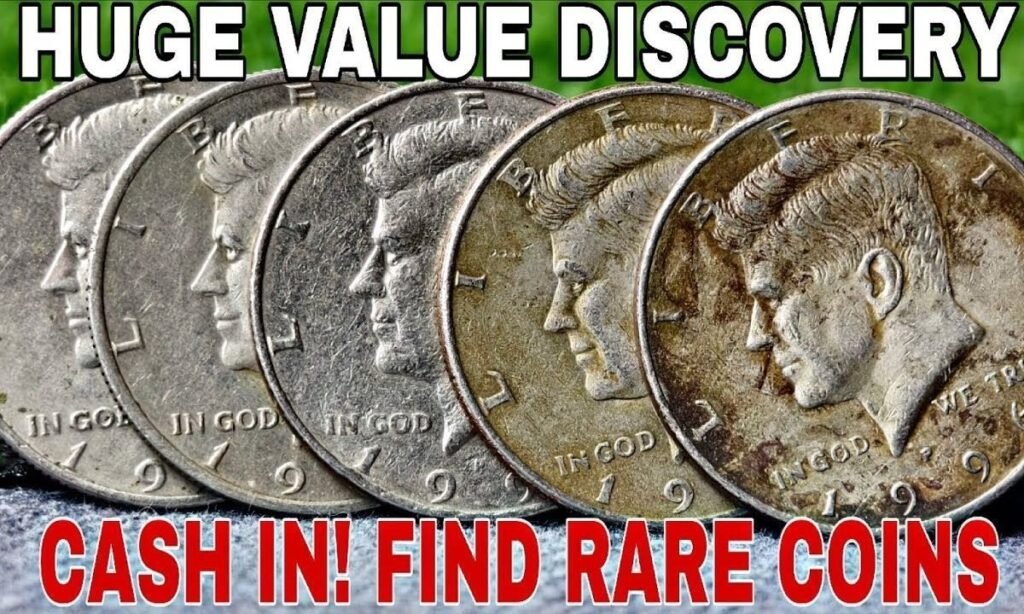
The Kennedy half dollar has been a staple in American pockets since 1964, honoring the late President John F. Kennedy. While most are worth only their face value of 50 cents, a handful of extraordinarily rare examples have fetched astonishing prices at auction. Some top specimens have soared well above $30,000, driven by perfect condition, unique varieties, or historical quirks. If you’ve got old half dollars lying around, it might be worth taking a closer look.
The Allure of the Kennedy Series
Introduced shortly after President Kennedy’s assassination, the coin quickly became a memorial piece. The first ones in 1964 were made of 90% silver, which adds intrinsic value, but the real treasures come from special strikes, extreme grades, or minting anomalies. Collectors chase these not just for money but for the story they tell about a pivotal moment in U.S. history. High-grade examples in pristine condition remain incredibly scarce, pushing values into five and six figures when they surface.
Spotlight on Ultra-Rare 1964 Varieties
The inaugural year dominates the high-value list because of limited special issues and standout preservation. These early coins often carry premiums for their historical weight and flawless details.
- The 1964 Special Mint Set (SMS) strike in SP67 or higher – one sold for six figures due to its rarity and satin-like finish.
- The 1964 Accented Hair Proof in top grades like PR69 Deep Cameo – examples have reached well over $40,000 for their pronounced hair details and mirror-like quality.
- Exceptional business strike 1964 pieces in MS68 or better – a standout MS68 Star graded coin commanded a record price thanks to its near-perfect luster and eye appeal.
These 1964 rarities stand out because so few were made in special formats or survived in gem condition.
Standout High-Grade Gems from Other Years
Beyond the debut year, certain Kennedy halves shine through exceptional preservation or subtle mint characteristics. Perfect strikes from the 1960s and beyond occasionally break records when they grade at the absolute top.
A 1964-D in MS68 has achieved strong results in the $30,000 range for its sharp details and minimal marks. Later clad examples in flawless MS68 or higher can surprise, though they usually fall short of the silver-era peaks. Proof issues from San Francisco, especially with ultra cameo contrast, also climb high when certified in PR70.
Why These Coins Command Such Prices
Rarity drives everything here. Most Kennedy halves circulated heavily or were hoarded for silver content, leaving superb examples few and far between. Grading services like PCGS and NGC authenticate and score them on a 70-point scale, where even tiny differences separate ordinary from extraordinary. Auction competition among serious collectors then sends values soaring when a truly elite piece appears.
Errors and varieties add another layer. Doubled dies or unusual finishes create one-of-a-kind appeal, but the biggest payoffs come from coins that combine rarity with condition.
Tips for Checking Your Own Coins
Dig through jars, drawers, or inherited collections for half dollars, especially from the 1960s. Look closely at the date, mint mark (if present), and overall detail. Silver ones from 1964 feel heavier and ring differently when tapped. For clad issues (post-1970), focus on shine and lack of wear. If something looks unusually sharp or has odd doubling, set it aside.
Professional grading makes the biggest difference for high-value claims. Submit suspects to reputable services to confirm authenticity and condition before selling.
Final Thoughts on This Hidden Treasure Hunt
The Kennedy half dollar series proves that everyday coins can hold extraordinary potential. While the odds are slim, those seven standout rarities remind us why collectors keep searching rolls and pockets. A single find could turn pocket change into life-changing money. Next time you spot a half dollar, pause and examine it carefully – history and value might be staring back.