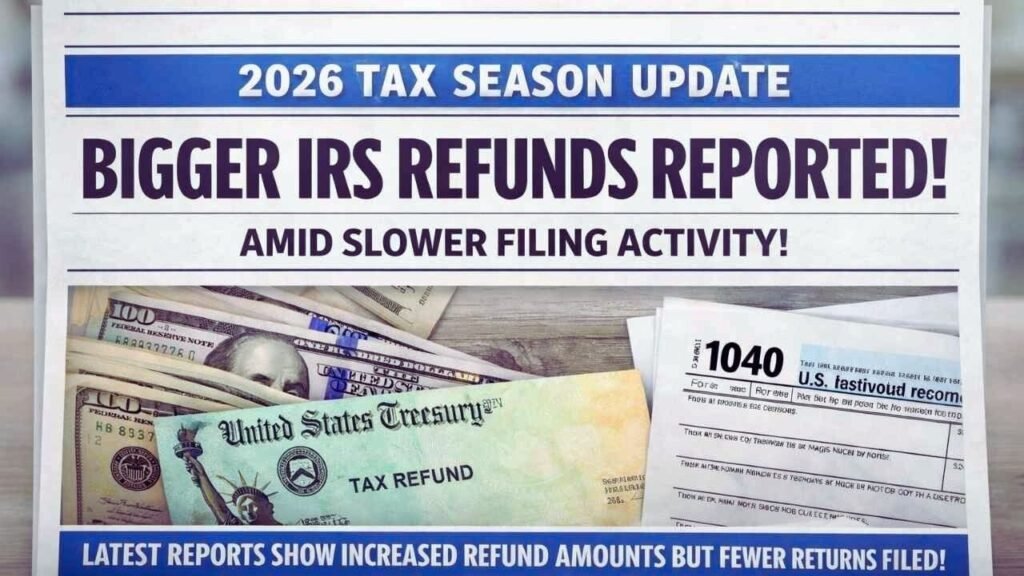
Millions of taxpayers filing their 2025 returns in early 2026 want a clear answer to the same question: when will my refund arrive? The IRS has kept the core timeline consistent this season—most e-filed returns with direct deposit process within 21 days of acceptance—but real-world arrival dates vary based on when you file, how you file, and whether your return triggers extra review. Here’s a straightforward breakdown of the 2026 processing timeline to help set realistic expectations.
When Does the 2026 Filing Season Officially Start?
The IRS began accepting and processing 2025 individual tax returns on Monday, January 26, 2026. That’s the official kickoff date for electronic filings. Paper returns take longer to enter the system, often adding several weeks before processing even begins.
If you e-filed on or shortly after January 26 and chose direct deposit, many refunds started hitting bank accounts in early to mid-February. The earlier and cleaner your return, the faster you typically see money.
Standard IRS Refund Timeline in 2026
The IRS guideline remains the same as recent years: expect your refund within 21 days of when your return is accepted if you e-file and select direct deposit. In practice, many straightforward returns arrive in 10 to 18 days.
Here’s how timing generally breaks down based on acceptance date:
- Accepted late January (Jan 26–31): Refunds often issued early to mid-February (Feb 6–20)
- Accepted early February (Feb 1–14): Refunds typically mid to late February (Feb 13–27)
- Accepted mid-February (Feb 15–28): Refunds late February to mid-March
- Accepted early March (Mar 1–15): Refunds mid to late March
- Accepted late March/early April: Refunds early to mid-April (before the April 15 deadline)
Direct deposit is still the fastest method. Paper checks, though mostly phased out, can add extra weeks even after issuance.
Special Holds That Delay Refunds
Certain claims automatically trigger longer waits under federal law (PATH Act). If your return includes the Earned Income Tax Credit (EITC) or Additional Child Tax Credit (ACTC), the IRS cannot release the refund before mid-February—even if you filed on day one.
- Earliest possible release for EITC/ACTC: Around February 15–18, 2026
- Most affected refunds arrive by March 2–3
- The Where’s My Refund? tool usually shows a projected direct deposit date by February 21 for these cases
Other common delays include identity verification, math errors, or returns flagged for additional review. These can push processing beyond 21 days, sometimes requiring a letter from the IRS.
How to Get the Most Accurate Timeline for Your Refund
The best source is the IRS Where’s My Refund? tool on IRS.gov. You can check it about 24 hours after e-filing. Enter your Social Security number, filing status, and exact refund amount from your return. The tool updates overnight and often displays a specific “Refund Sent” or projected deposit date.
Here are quick tips to speed things up and track accurately:
- Double-check your bank routing and account numbers before submitting
- File electronically rather than on paper
- Avoid claiming credits that trigger PATH holds if you need funds sooner
- Monitor daily after the first week—status can change quickly
If your return shows “Refund Approved” but no deposit yet, give your bank 1–2 extra business days to post the funds.
What to Expect as the Season Progresses
As April 15, 2026 approaches, filing volume surges and processing can slow slightly for late filers. However, the IRS has improved capacity in recent years, so most people still see refunds within the standard window if there are no issues.
For the smoothest experience, file as early as possible with complete, accurate information. Straightforward returns filed electronically with direct deposit remain the quickest path to your money in 2026.
Keep checking Where’s My Refund? for your personalized update it’s far more reliable than general estimates.
FAQs
How long does the IRS say it takes to get a tax refund in 2026?
Most e-filed returns with direct deposit process within 21 days of acceptance, though many arrive sooner.
Do paper returns take longer in 2026?
Yes—often 6–8 weeks or more just to process, compared to 21 days or less for e-file with direct deposit.