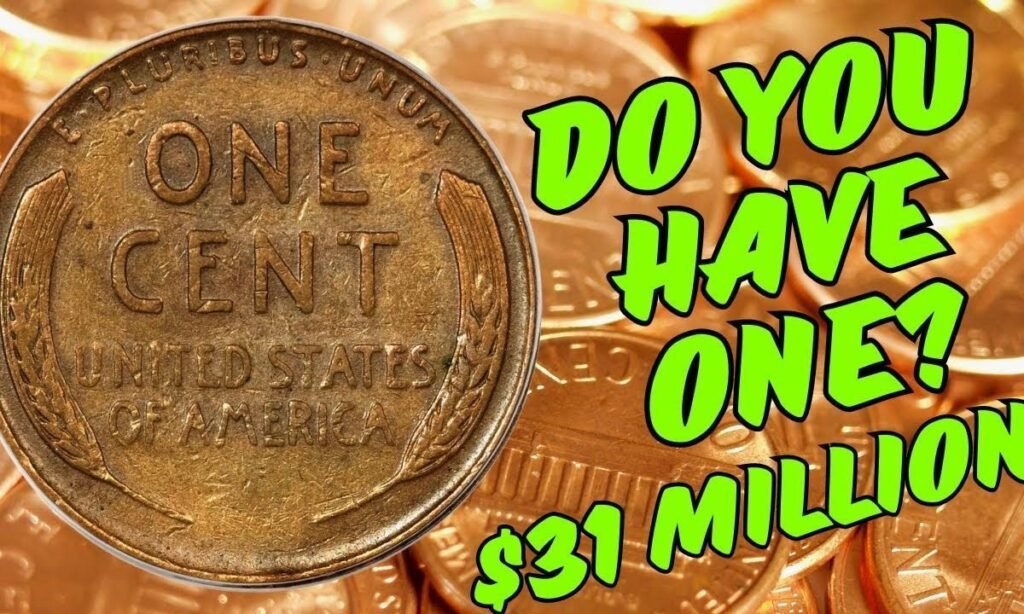
Imagine digging through an old jar of coins or checking your pocket change and discovering a ordinary-looking penny that could be worth a fortune. Some ultra-rare Lincoln pennies have fetched millions at auctions due to minting mistakes, historical quirks, or tiny production numbers. These hidden treasures remind everyday people that big value can hide in the smallest places.
The Allure of Rare Pennies
Pennies might seem worthless in daily life, but certain ones stand out because of errors or limited runs from the U.S. Mint. Collectors prize them for their backstory and scarcity. What starts as a simple one-cent piece can become a life-changing find when the right conditions align. Experts often point to wartime production shifts and early 20th-century designs as the sources of the most dramatic rarities.
The Famous 1943 Bronze Penny Mistake
During World War II, copper was needed for the war effort, so the Mint switched to steel-coated zinc pennies in 1943. Almost all 1943 pennies are steel and stick to a magnet. A tiny handful were struck on leftover bronze planchets by accident. These bronze versions are among the rarest coins in existence.
- Only about 20 to 40 genuine 1943 bronze pennies are believed to exist across all mints.
- The 1943-D bronze example has sold for around $1.7 million in the past, with top-condition pieces estimated even higher.
- Philadelphia and San Francisco versions also command huge sums, often six figures or more depending on grade.
- Counterfeits are common, so authentication by professionals is essential.
This error happened because a few bronze blanks from the previous year slipped into the production line, creating one of numismatics’ greatest anomalies.
The 1944 Steel Penny Surprise
Just as the Mint returned to copper in 1944, a few steel planchets from the prior year got mixed in again. These 1944 steel pennies flip the script on the 1943 error and remain incredibly scarce.
- Some versions, like the 1944-S steel, have only a couple known examples.
- Values can reach over $1 million for pristine pieces, while circulated ones still bring hundreds of thousands.
- The rarity stems from the quick transition back to bronze, leaving almost no room for leftover steel blanks.
These transitional errors show how even small oversights at the Mint can produce legendary coins.
Iconic Early Lincoln Varieties
The Lincoln cent debuted in 1909, and certain early releases quickly became sought-after. The 1909-S VDB stands out because the designer’s initials (VDB for Victor David Brenner) appeared on the reverse for only a short time before being removed due to controversy. The San Francisco mintage was low, making it a key date for collectors.
Other varieties, like select doubled-die examples from later years, add to the excitement. These coins gain value from visible doubling in letters or dates, often created during the hubbing process.
Why These Pennies Reach Million-Dollar Status
Condition plays a massive role in value. Coins graded in mint state—never circulated—fetch the highest prices. Rarity drives demand among serious collectors and investors. Auction houses see fierce bidding when an authenticated example surfaces. Historical context, like wartime metal shortages, adds layers of interest that push prices upward over time.
What to Do If You Think You Have One
Examine old coins carefully under good light. Look for the year, mint mark (small letter below the date), and unusual features like color or magnetism. Steel pennies should attract a magnet, while bronze ones won’t. If something seems off, resist cleaning it—that can destroy value. Take clear photos and consult a reputable grading service for verification.
In the world of coin collecting, the next big discovery could be sitting in a drawer right now. These ultra-rare pennies prove that history and chance sometimes turn everyday items into extraordinary wealth.
FAQs
What makes a 1943 penny worth millions?
A genuine 1943 bronze penny is rare because the Mint made steel pennies that year. The few bronze errors that slipped through sell for huge amounts due to extreme scarcity.
How can I tell if my 1943 penny is real?
Real bronze 1943 pennies are not magnetic and have a copper color. Steel versions are magnetic and silver-looking. Always get professional authentication to avoid fakes.
Are there other pennies worth over a million dollars?
Yes, certain 1944 steel pennies have reached seven figures in top condition. Some early errors or key dates approach high values too, though millions are rare.
Should I check my change for valuable pennies?
Modern errors happen occasionally, but true million-dollar pennies come from specific historical years like 1943 or 1944. It’s worth looking, but big finds are extremely unlikely in circulation today.
Where can I get a penny graded?
Reputable services like PCGS or NGC evaluate and certify coins. They provide a grade and authentication that boosts value and buyer confidence.